Internal Lime Plaster · Lath & Plaster · Heritage Repairs · Period Properties

Lime Plastering Specialists in Plymouth, Devon & Cornwall

Internal lime plastering for traditional buildings across Devon and Cornwall. Correct materials, correct specification, correct application. No gypsum on solid-wall buildings.

Internal Lime Plaster: Why It Matters

Lime plaster is the correct internal finish for any traditional solid-wall building. Stone, cob, brick, and rubble-fill walls are designed to manage moisture by allowing it to move through the fabric and evaporate. Gypsum plaster, the standard modern product, is dense and relatively impermeable. Applied to a solid-wall building it traps moisture inside the wall, leading to damp, salt crystallisation, and long-term structural damage.

Riley's Pro Trowel applies internal lime plaster across Plymouth, Devon, and Cornwall. We work on full re-plasters, patch repairs, and lath and plaster reinstatement on heritage and listed buildings. Every job is assessed and specified correctly before work begins.

Two-Coat Lime Plaster Systems

Internal lime plaster is typically applied in two coats: a scratch or backing coat and a finish coat. On solid masonry, the backing coat provides the level and key; the finish coat brings the surface to the specified texture, either smooth or fine-textured for decoration. Mix specifications vary by substrate, and getting this right is the difference between a lasting job and one that fails.

Lath & Plaster

Timber lath and plaster is the original internal finish system for pre-1919 buildings. Where lath and plaster has failed, is missing, or has been incompetently patched with gypsum board, Riley's can reinstate it correctly. New riven or sawn laths are fixed to the timber substrate, and lime plaster is applied in three coats: pricking-up, floating, and setting. The result is an authentic, breathable internal finish that matches the original construction.

Heritage Repairs & Patch Plastering

Not every job is a full re-plaster. Riley's carries out patch repairs to failed or damaged lime plaster, correctly matched to the existing material. This requires understanding the original specification: the lime type, aggregate, and coat structure. A gypsum patch on a lime plaster wall is a visual and technical mismatch that will fail over time. We repair in kind.

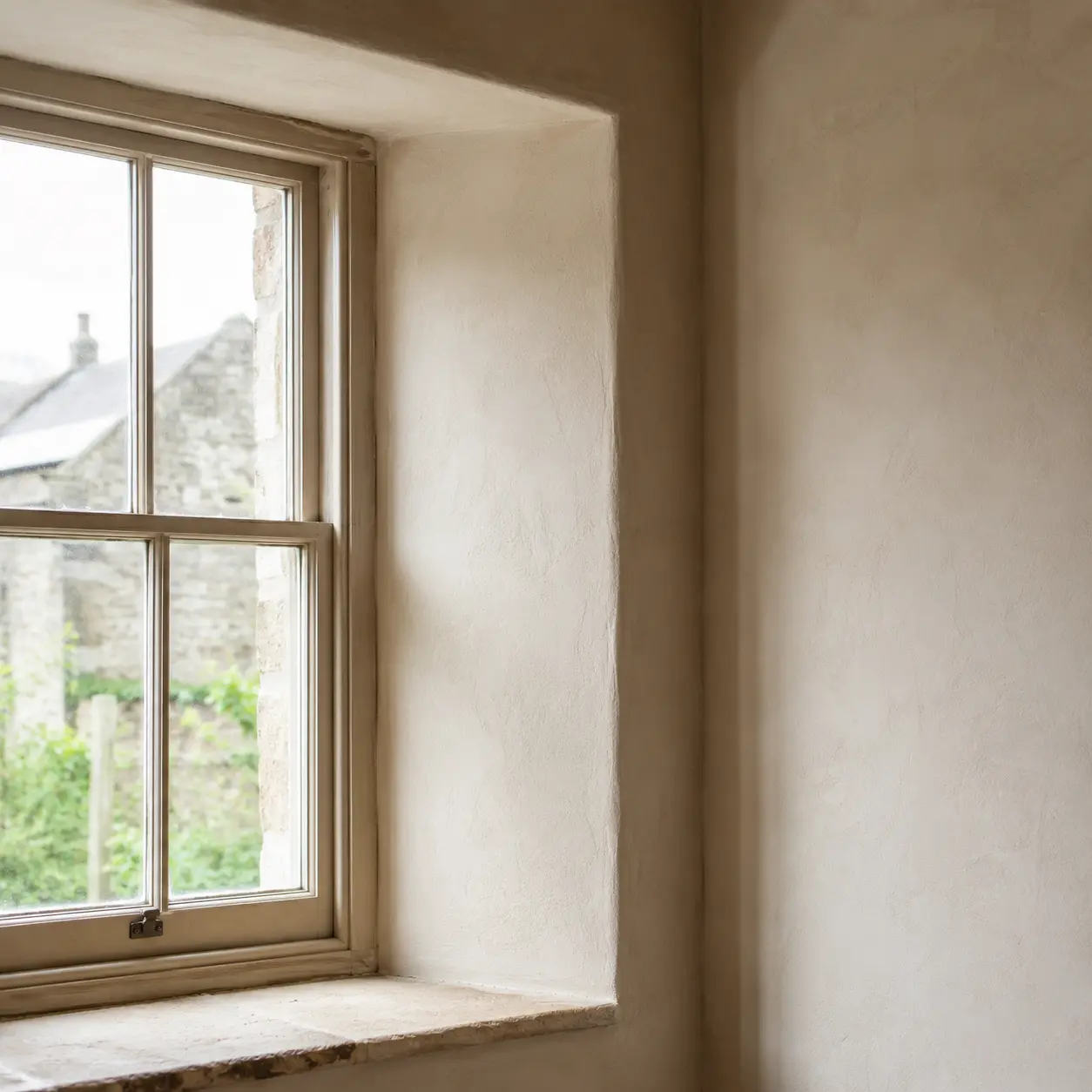
Lime plastering on traditional masonry, Riley's Pro Trowel Devon

How We Work

Our Process

01

Assessment & Specification

We inspect the substrate, check moisture levels, identify the existing plaster type, and assess the cause of any failure. Correct specification follows from this. There is no standard mix that suits every building.

02

Preparation

Failed, loose, or inappropriate plaster is removed. The substrate is prepared and dampened to the correct moisture content before application. On lath substrates, any failed or missing laths are replaced. Joints and gaps in masonry are made good.

03

Backing Coat

The scratch or pricking-up coat is applied, pressed into the substrate or through the lath gaps to form keys. Scratched or pricked while still green to receive the next coat. Allowed to cure fully before proceeding.

04

Float Coat

The float coat builds to the correct level and provides the ground for the finish. Rule-straightened and textured to receive the final coat. Curing time is respected.

05

Finish Coat & Completion

The finish coat is applied to the specified texture. On smooth finishes, brought to a flat, paintable surface. Arrises, reveals, and junctions are detailed. Curing is protected from drafts and excessive heat throughout.

Questions

Frequently Asked Questions

Traditional solid-wall buildings manage moisture by allowing it to move through the fabric of the wall and evaporate. Gypsum plaster is relatively impermeable and reduces this movement, trapping moisture inside the wall. Over time this causes persistent damp, salt damage, and deterioration of the masonry. Lime plaster is vapour-permeable, flexible, and compatible with the original materials. For any building with solid walls, stone, cob, brick, or rubble, lime is the correct internal plaster.
Yes, but the repair must be done in lime, matched to the existing specification. A gypsum patch on a lime wall will behave differently under moisture and temperature change, eventually delaminating or cracking at the junction. Riley's assesses the existing plaster before any repair to match the mix and coat structure. Well-executed lime patch repairs are virtually invisible.
Each coat of lime plaster requires a minimum of 3 to 7 days before the next coat is applied, depending on conditions. Full cure of the finish coat before decoration is typically 4 to 8 weeks for hydraulic lime plasters, and longer for lime putty-based finishes which cure through carbonation. Decoration must wait until the plaster is fully cured. Painting over green lime plaster prevents carbonation and causes failure.
Lime plaster is not just suitable for listed buildings, it is often required. Listed building consent conditions and conservation officer guidance frequently specify lime-based materials for internal work. Applying gypsum plaster to a listed building without consent could constitute an unauthorised alteration. Riley's is familiar with listed building requirements and works within them as standard.
Yes. Lath and plaster reinstatement is part of Riley's scope. New riven or sawn timber laths are fixed to the substrate and three-coat lime plaster is applied in the traditional manner. On listed buildings and in conservation areas, this is often the required approach rather than dry lining or plasterboard. The result is a breathable, authentic internal finish consistent with the original construction.
Lime plaster must be fully cured before decoration. The correct paint for new lime plaster is a breathable mineral paint or limewash, which allows moisture vapour to continue moving through the surface. Standard vinyl emulsion significantly reduces permeability and is not recommended on fresh lime. On older, fully carbonated lime plaster, breathable emulsions can be used. Riley's advises on decoration specification as part of every plastering project.
Get Started

Request a Quote

We visit the site, assess what's needed, and provide a written quote. No hidden additions.

Ready to Start?

Talk to Us About Your Project